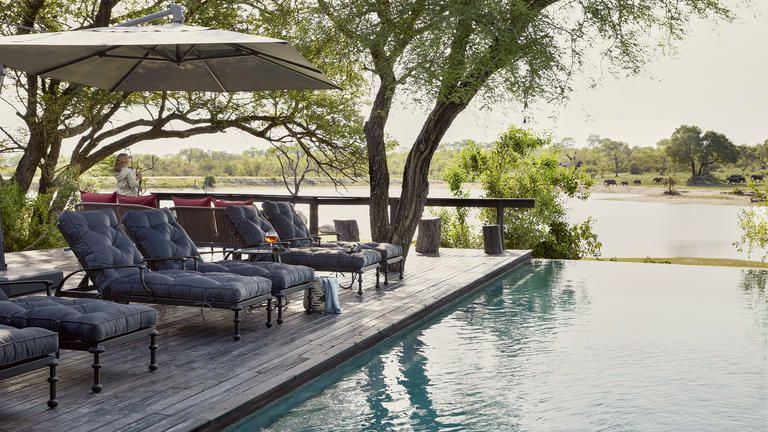
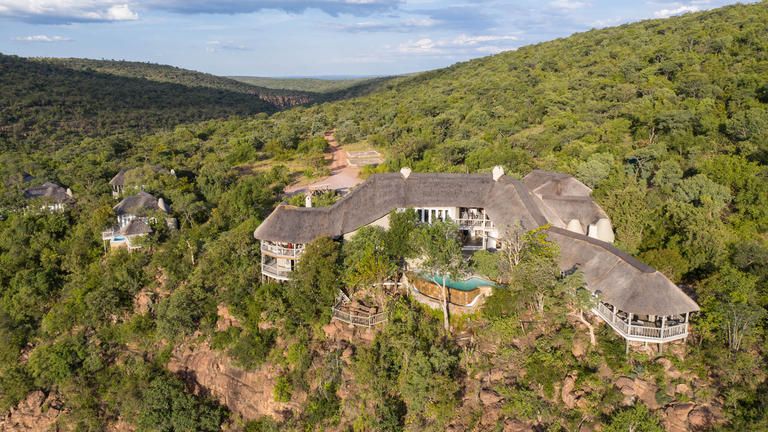
Kruger and Sabi Sand
Private reserves on the unfenced Kruger ecosystem, where off-road traversing and vehicle limits are what change the game viewing.

South Africa safari holidays
Compare safaris in the Greater Kruger and other South African reserves, or ask about adding Cape Town and the Winelands to your trip.
Kruger and Sabi Sand
Private reserves on the unfenced Kruger ecosystem, where off-road traversing and vehicle limits are what change the game viewing.
Malaria-free alternatives
Tell us if a malaria-free reserve is a priority. Your travel-health adviser can guide your medical decisions.
Cape Town combinations
Daily scheduled flights link the Cape to the Kruger reserves, so bush and city fit into one unhurried trip.
Journeys and guide prices
Compare the days, nights, stays and available prices on each journey. Check the transport inclusions separately.
Where to go
You can focus on the Greater Kruger, discuss other reserves, or combine safari with Cape Town. Your dates, interests and travel requirements will help narrow the options.
Compare the lodge’s accommodation and guiding alongside the reserve’s access rules and permitted activities. A lower rate does not tell you everything about the experience.
Flights and road transfers depend on the route and lodge. We’ll check the available connections and show the transport costs in your quote.
Safari regions
Compare the setting, access and accommodation in each area.
Compare dated rates and the full cost for your party. Seasonal differences and inclusions vary by property.
Compare stays in Timbavati, Thornybush and the wider Greater Kruger, with the transport and activity arrangements for each lodge.
Ask about Madikwe lodge options and road or air access from Johannesburg. Get individual travel-health advice before choosing your route.
Discuss Eastern Cape reserves alongside a Cape Town or Garden Route trip, with connections and extra nights checked separately.
Enormous, excellent value and genuinely wild, but you are on public roads, with the vehicle numbers that implies at a good sighting. We use it deliberately rather than by default.
Discuss Waterberg and Pilanesberg stays in relation to your dates, access requirements and travel-health advice.
Example durations
Each journey shows its actual route and night count. Ask us about additional nights or a Cape Town extension.
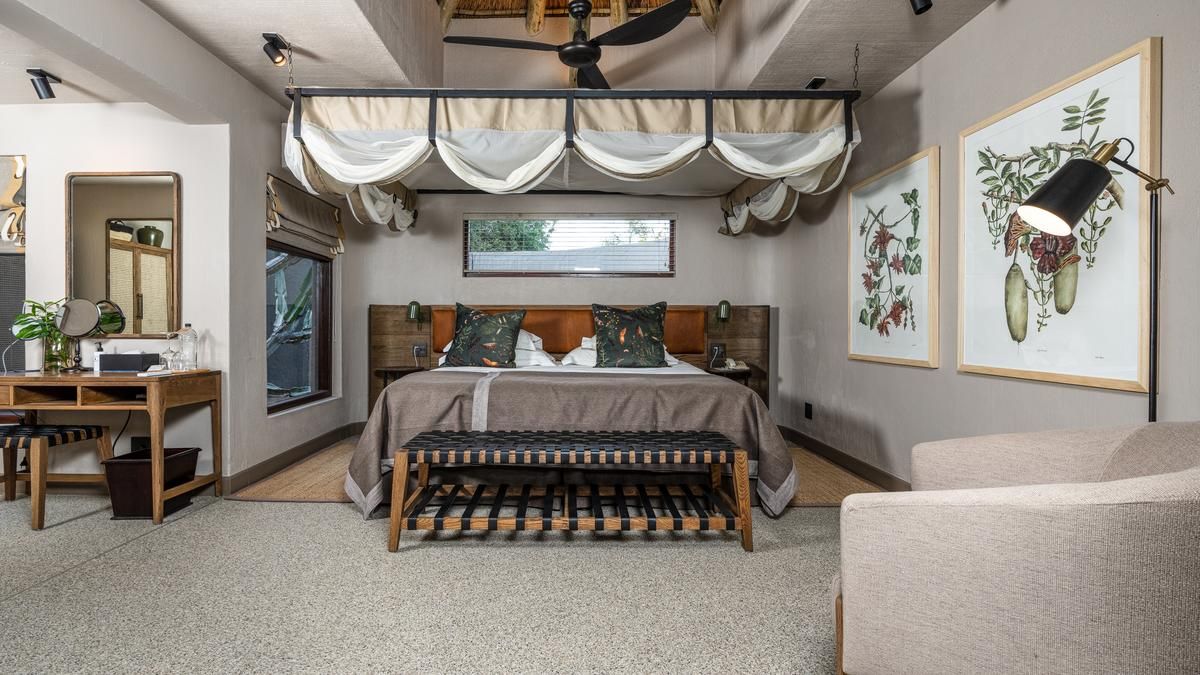 South Africa
Sabi Sabi Bush Lodge
Luxury+ tour · Shared tour · Can start any day
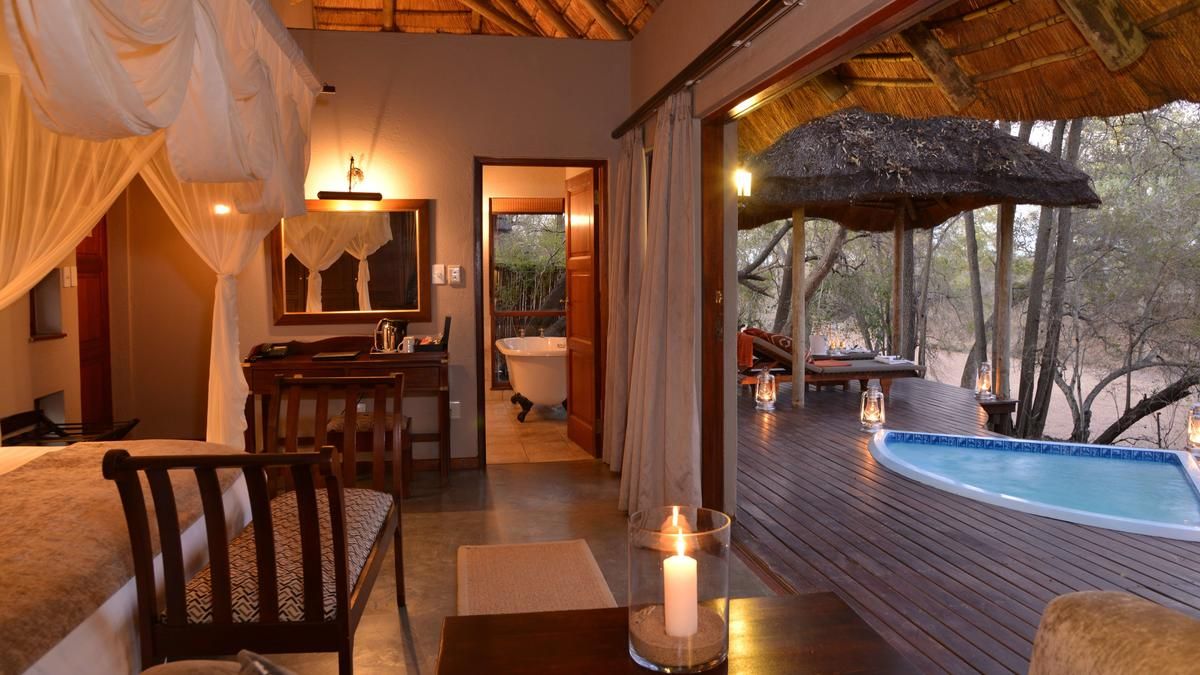 South Africa
Imbali Safari Lodge
Luxury+ tour · Shared tour · Can start any day
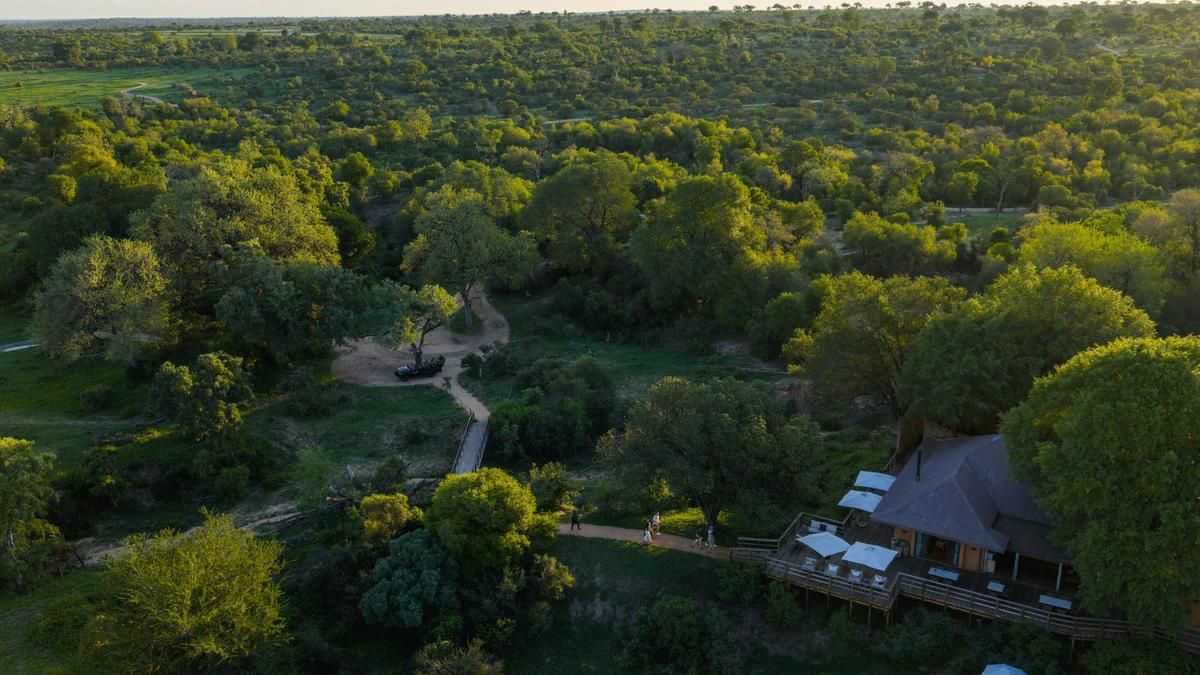 South Africa
MalaMala Camp
Luxury tour · Private tour · Can start any day
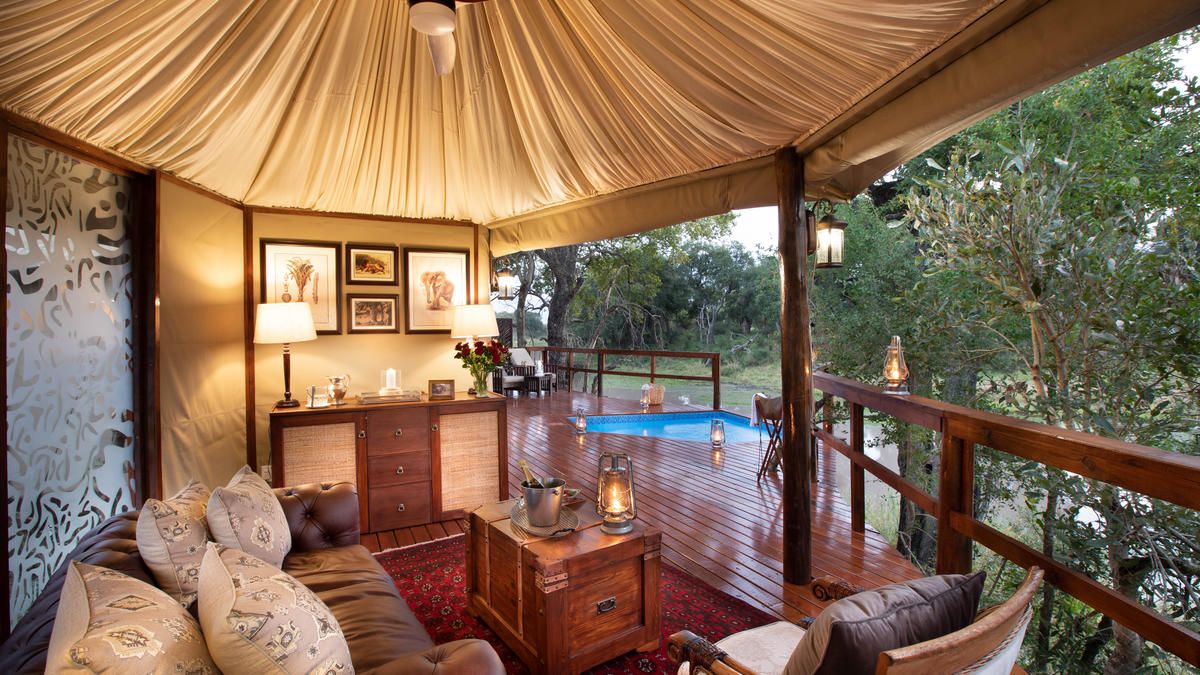 South Africa
Hamiltons Tented Safari Camp
Luxury+ tour · Private tour · Can start any day
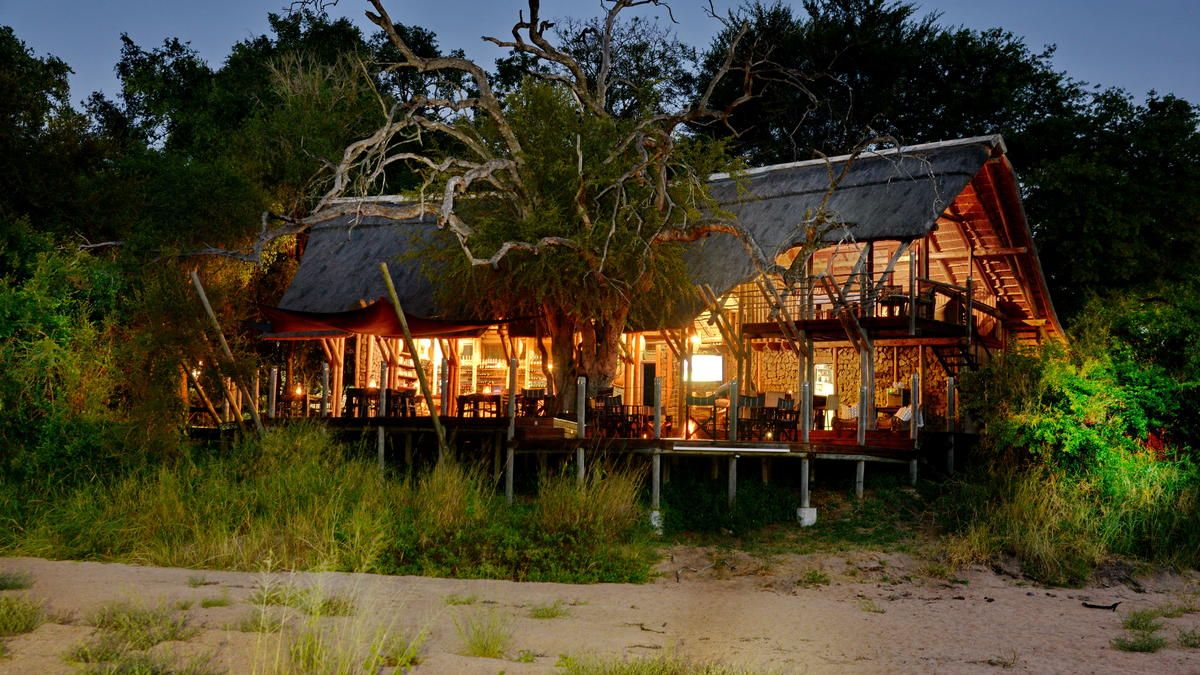 South Africa
Rhino Post Safari Lodge
Luxury tour · Shared tour · Can start any day
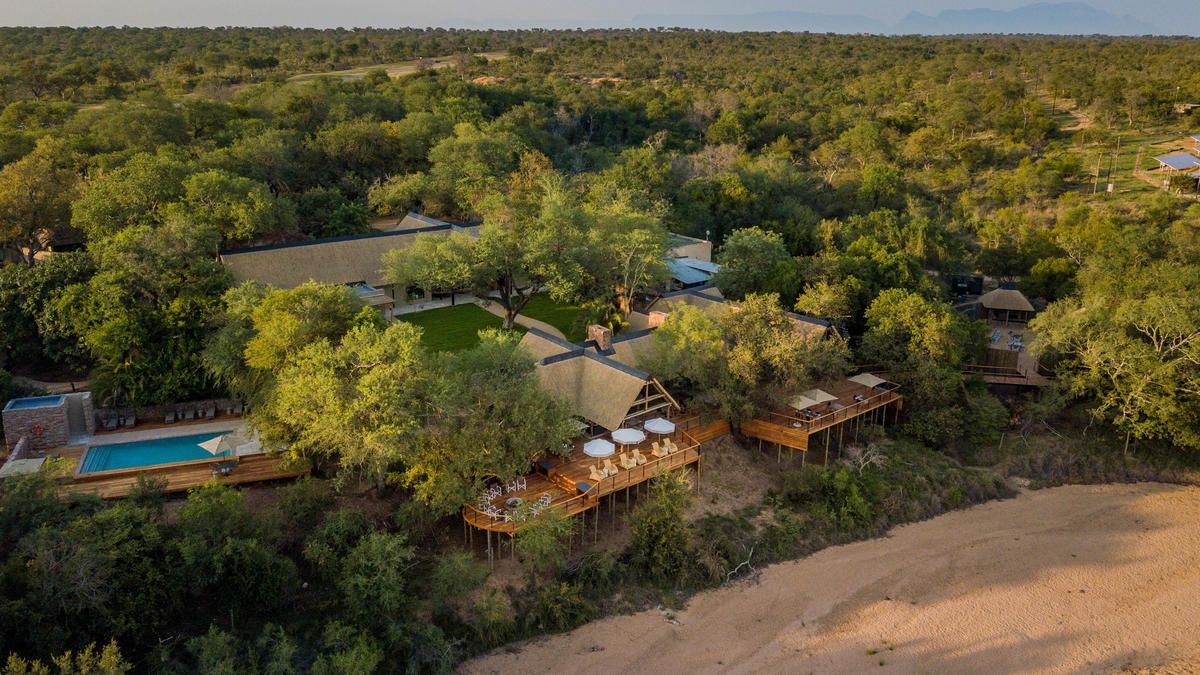 South Africa
Thornybush Game Lodge · Saseka Tented Camp
Luxury tour · Private tour · Can start any day
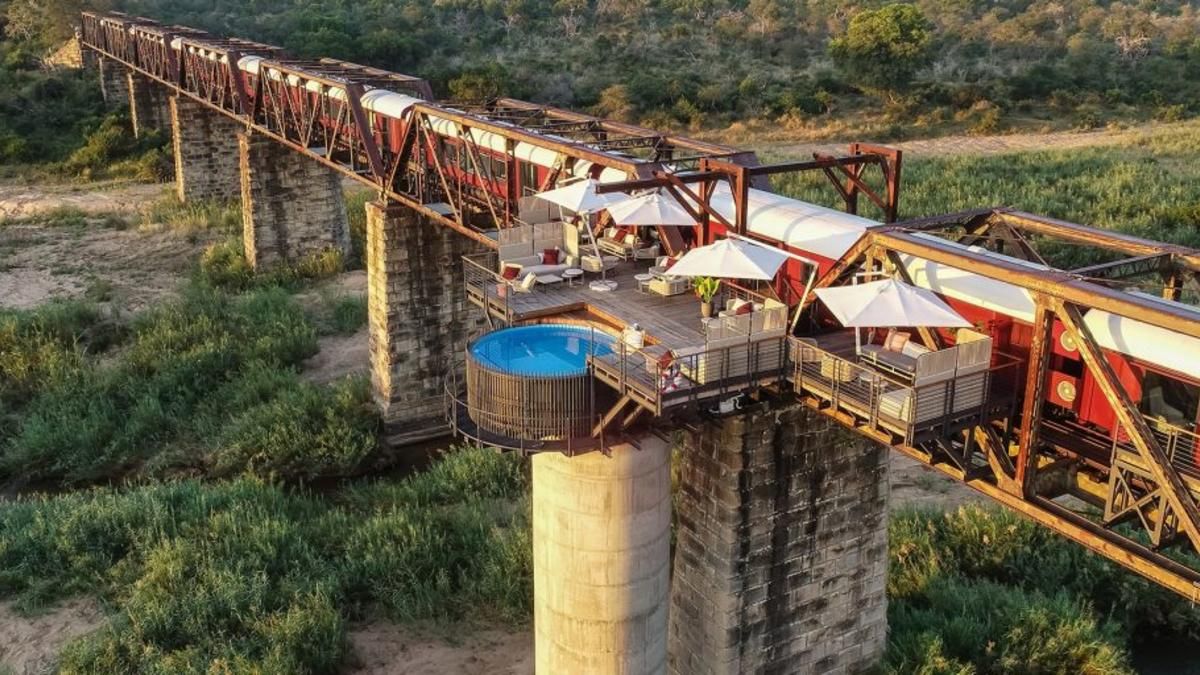 South Africa
Kruger Shalati
Luxury tour · Shared tour · Can start any day
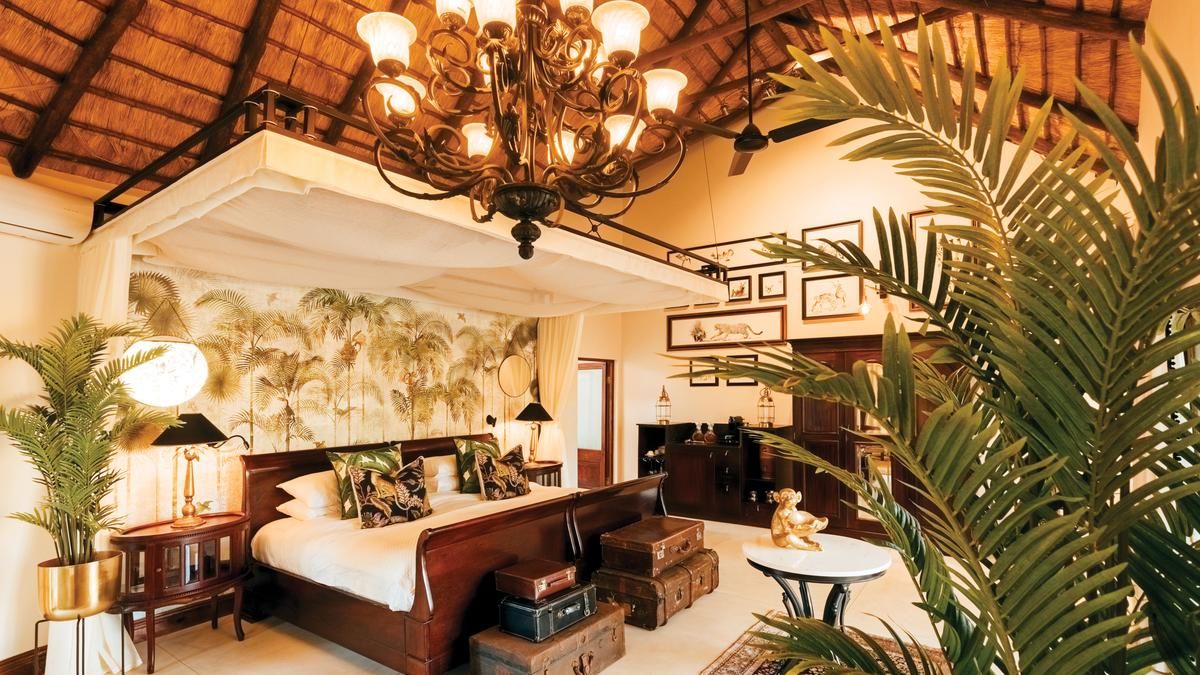 South Africa
Kings Camp · Leopard Hills Private Game Lodge
Luxury+ tour · Private tour · Can start any day
South Africa
Thornybush Game Lodge
Luxury tour · Shared tour · Can start any day
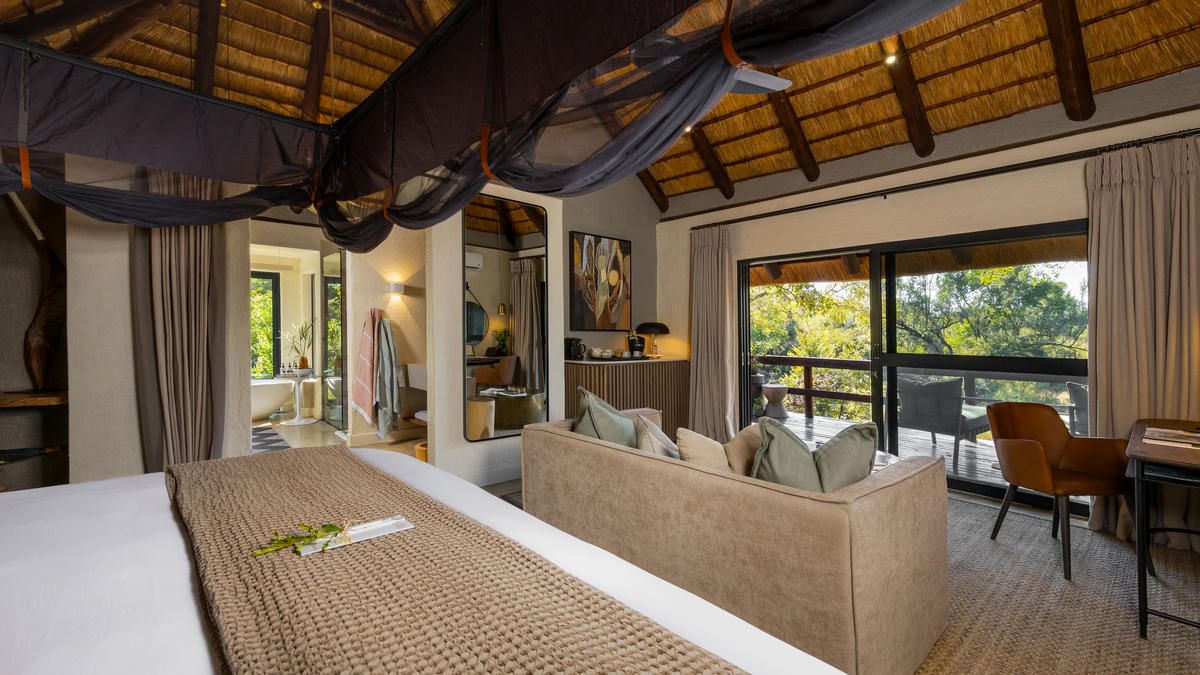 South Africa
Sabi Sabi Little Bush Camp
Luxury+ tour · Private tour · Can start any day
South Africa
Kruger Shalati
Luxury tour · Shared tour · Can start any day
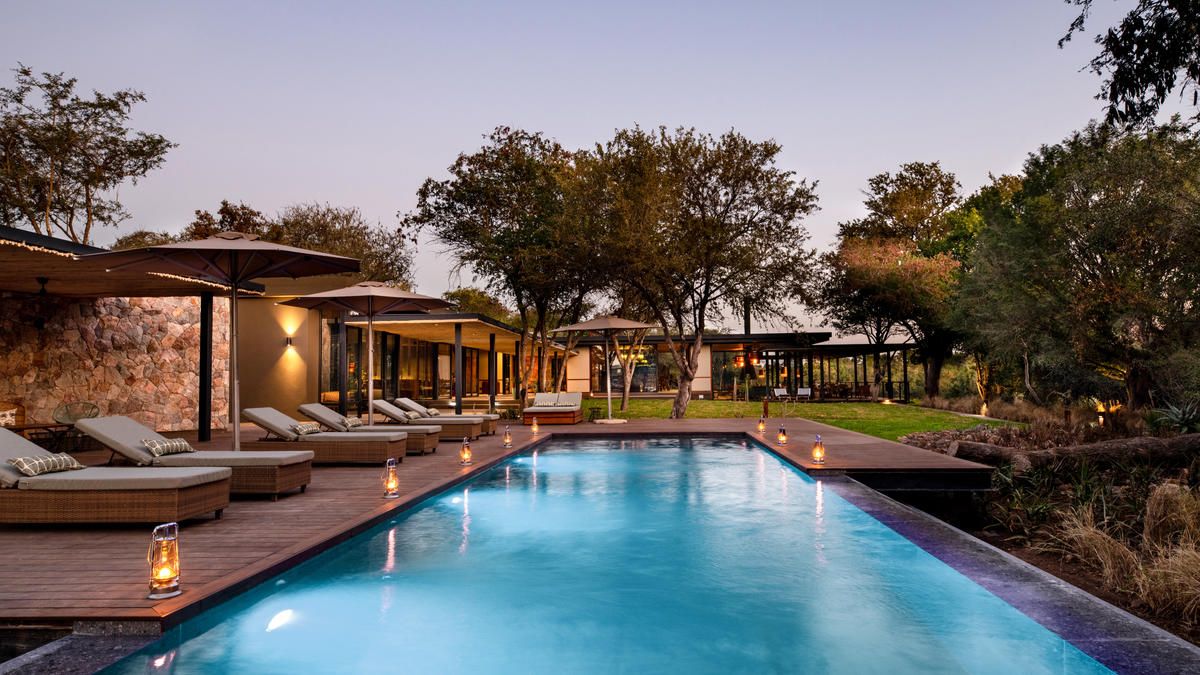 South Africa
Tanda Tula Safari Camp
Luxury tour · Shared tour · Can start any day
None of these exact?
Tell us your dates, party and the one thing the journey must deliver.
Prices are a guide and will be confirmed for your dates and party before booking.
Travel health
Discuss the destinations and dates you are considering with a qualified travel-health professional. Tell us about any advice that affects your choice of reserve.
We can then discuss the travel arrangements and lodge options that fit those requirements.
This is travel planning, not medical advice. Take your dates, your travellers and any pregnancy or medical history to a travel clinic, then tell us what they advised and we will plan around it.
Cape Town extensions
Cape Town and the Winelands can be considered alongside a safari stay. We’ll check the connections and how many nights you have for each part of the trip.
For a shorter holiday, compare the time spent travelling with the time available at each stop.
Inclusions
Inclusions vary by journey. Check the accommodation, meals, activities, flights and transfers listed for your chosen trip. Your quote will confirm the full list and any additional costs.
Inclusions vary property by property. We confirm the exact list for every lodge and hotel in your itinerary in writing before you commit.
Why this is safe to hand over
Review the travel arrangements and booking terms before deciding.
IATA-accredited travel agency. Agency number 96097083.
Read our booking terms for payment and cancellation information.
Read our terms and conditionsWe’ll check the arrangements with the lodge or tour operator handling your trip.
Review your itinerary, inclusions and booking terms before making payment.
South African stays
Browse these properties, then ask us to check the options for your dates and budget.
Top experiences include Big 5 Safari & Family Holidays at Sabi Sand Nature Reserve.
Before you enquire
Sabi Sand for game viewing, and for leopard in particular: the reserve permits off-road traversing and limits how many vehicles share a sighting. Kruger National Park for scale and value, with the trade-off that you stay on public roads. The wider Greater Kruger reserves sit between the two on both price and exclusivity.
Ask a travel-health professional for current advice on the areas and dates you are considering. We can discuss alternative reserves in line with that advice.
Compare the listed night counts with your arrival and departure arrangements. Additional nights may give you more time at the lodge, but there is no single length that suits every trip.
The best dates depend on the region and the activities you want to include. Check the timing guide, then ask us about the lodges and dates you are considering.
We can discuss a Victoria Falls extension and check the flight connections, extra nights and cost.
No. Every price on this page is land-only. International flights are quoted separately, and we can ticket them for you as an IATA-accredited agency if that is easier.
Keep reading
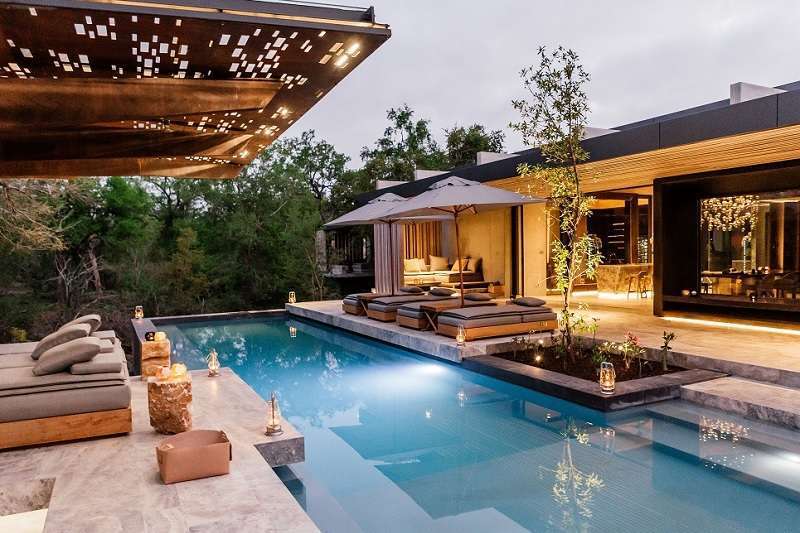
South Africa safari planning
Share your dates, budget and who is travelling. A specialist will reply to discuss the options.
Plan your safari