
Safari planning guide
When to go on an African safari
The best time to travel depends on the region and the activities you want to include. Use the guide below to discuss your dates, then check the conditions and lodge arrangements for your route.
There is no single best month for every African safari. Compare the regions and experiences you want to include.
Compare seasonal conditions and dated prices for your chosen camps. Do not assume a fixed discount for travelling outside peak season.
Tell us your dates and the wildlife or activities you want to see so we can discuss the route.
Curated stay examples
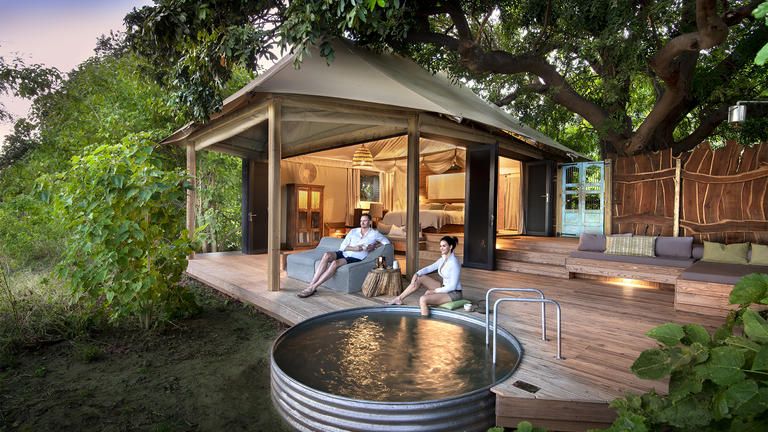
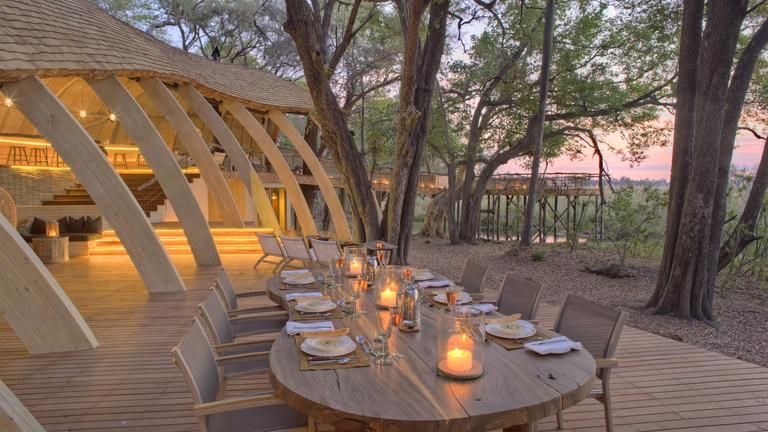
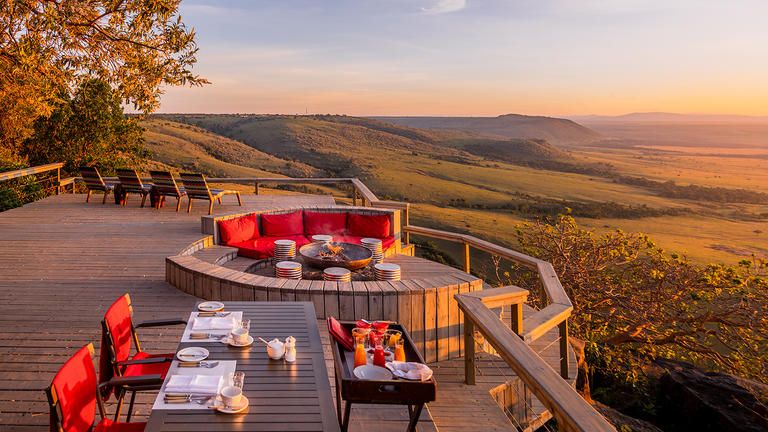
Safari stays to consider
Safari seasons by region
Seasonal conditions vary across Africa and from year to year. Treat these periods as planning guidance and confirm the arrangements for your chosen camps.
| Region | Game-viewing periods to discuss | Green season | What changes |
|---|---|---|---|
| Greater Kruger and Sabi Sand, South Africa | May – September | November – March | Compare conditions, available activities and dated rates for your chosen lodge. |
| Madikwe and the Eastern Cape (malaria-free) | May – September | October – March | Ask your lodge about seasonal conditions and what to pack for your dates. |
| Okavango Delta and Botswana | June – October | December – March | Water levels and activities differ between camps and years. Confirm whether boating or mokoro trips are expected to operate for your dates. |
| Serengeti, Tanzania | June – October in the north; January – February in the south | March – May (long rains) | The herds move through the year. Check the location of your camp against current migration guidance; crossings are not guaranteed. |
| Maasai Mara, Kenya | July – October | April – May | Check the camp’s location, access and current migration guidance. Wildlife movements and sightings are not guaranteed. |
| Hwange, Mana Pools and South Luangwa | June – October | November – March | Check seasonal heat, road access and the opening dates of each camp before planning the route. |
| Victoria Falls | Year-round | None | Water levels and access affect the experience. Check current guidance for the side of the falls and activities you plan to visit. |
Dry-season safaris
Ask how seasonal conditions affect wildlife viewing, activities and access at the places you are considering. Compare the available camps and rates for your dates.
Green-season safaris
Check rainfall, road access, camp openings and activity arrangements alongside dated prices. Lower rates should be compared with the same room type and inclusions.
When to start planning
Enquire early if your dates are fixed or you have a specific camp in mind. Check accommodation and transport availability before committing to other parts of the trip.
Next steps
Related safari planning pages
FAQs
Questions travellers ask before enquiring
What is the single best month for an African safari?
There is no single month that suits every region and activity. Start with the places you want to visit and the dates you can travel, then compare the options.
When are safari prices lower?
Compare dated rates for the camps you are considering. Seasonal offers, room types and inclusions can change the result; a lower rate may also come with different conditions or activities.
Is there a time to avoid?
Check camp closures, road access and activity conditions for the specific route. Avoid applying one rule to every destination.
Does the green season mean poor sightings?
Sightings vary throughout the year. Ask about the likely conditions and activities at your chosen camp, without treating any season as a wildlife guarantee.
Tailored safari planning
Turn this shortlist into a safari plan
Send dates, traveller count, preferred regions, and stay style. Africa Luxury Escapes can confirm availability, rates, and the best-fit route.
Plan your safari