Safari planning support
Planning, booking and travel support

South Africa safari planning
Private reserves, excellent guiding and an easy Cape Town pairing. Explore South Africa safari journeys with the stays, route and guide prices visible before you enquire.
Safari planning support
Planning, booking and travel support
Malaria free reserves
Tell us if a malaria-free reserve is a priority for your trip.
Rates for your dates
Lodges and transfers reconfirmed
Support while you travel
WhatsApp when you need us
South Africa safaris
South Africa offers a range of safari reserves and lodges, with road or air access depending on the property. We can compare the travel arrangements and stays for your dates.
If travel-health advice affects your choice of reserve, tell us before we prepare the shortlist.
See the individual journeys for guide prices and durations. A Cape Town or Winelands extension needs its own availability and price check.
How ALE works
Tell us about your trip. We’ll discuss the route, check the stays and rates, and prepare a proposal.
Dates, travellers, pace, budget and what you most want to experience.
The stays, route and transport are checked as one workable itinerary.
Rooms, transfers, inclusions, exclusions and conditions are set out in writing.
Where to go
Consider the setting, permitted activities, access and accommodation.
Compare Sabi Sand lodges by their setting, guiding, accommodation and price.
Explore the wider Greater Kruger reserves and compare the stays and arrangements available.
Malaria-free, wild dog country, and reachable from Johannesburg by road in about four hours or a short charter.
Malaria-free Big 5 reserves that bolt naturally onto a Cape Town and Garden Route itinerary.
Compare stays and activities in Kruger National Park with the surrounding private reserves.
Ask about adding Cape Town and the Winelands to your safari, with the night count and connections checked for your trip.
South Africa journeys
Compare the night counts, stays and available guide prices. Open a journey for the full itinerary and inclusions.
 South Africa
Sabi Sabi Bush Lodge
Luxury+ tour · Shared tour · Can start any day
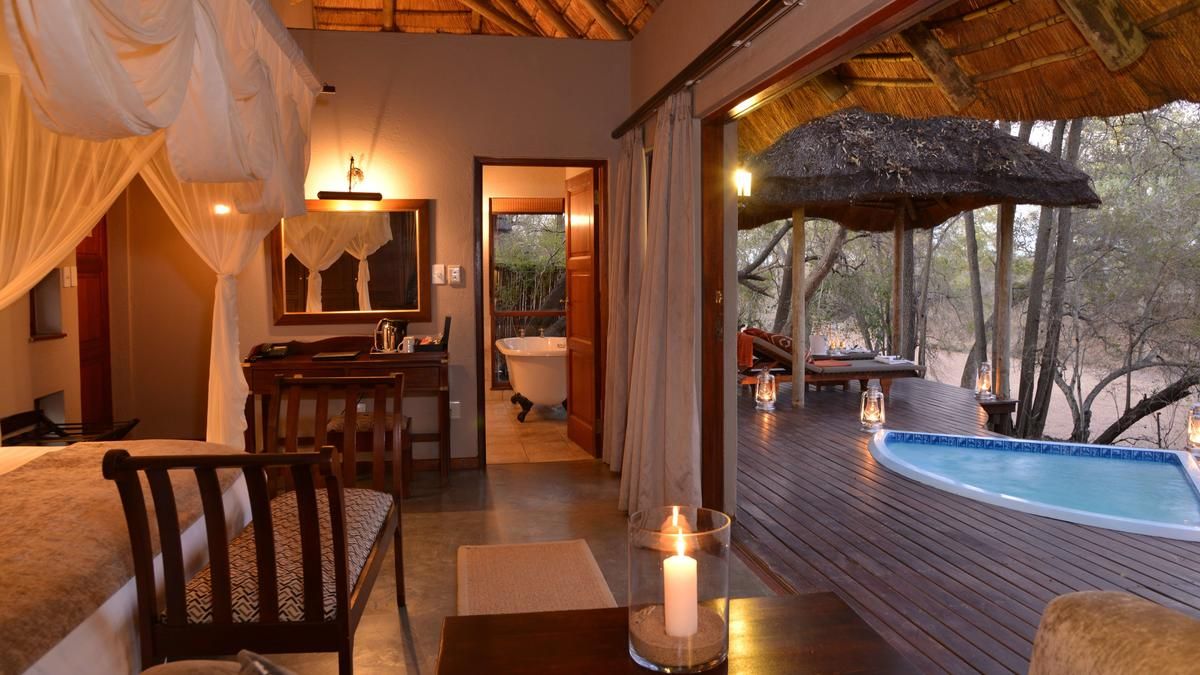 South Africa
Imbali Safari Lodge
Luxury+ tour · Shared tour · Can start any day
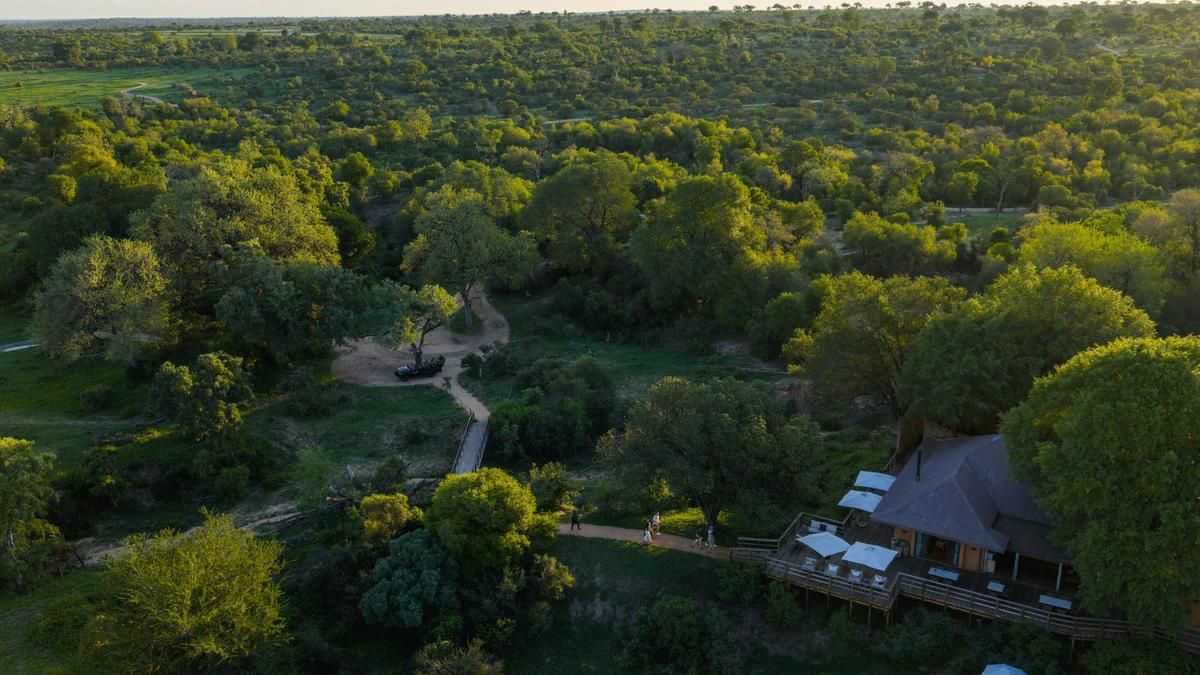 South Africa
MalaMala Camp
Luxury tour · Private tour · Can start any day
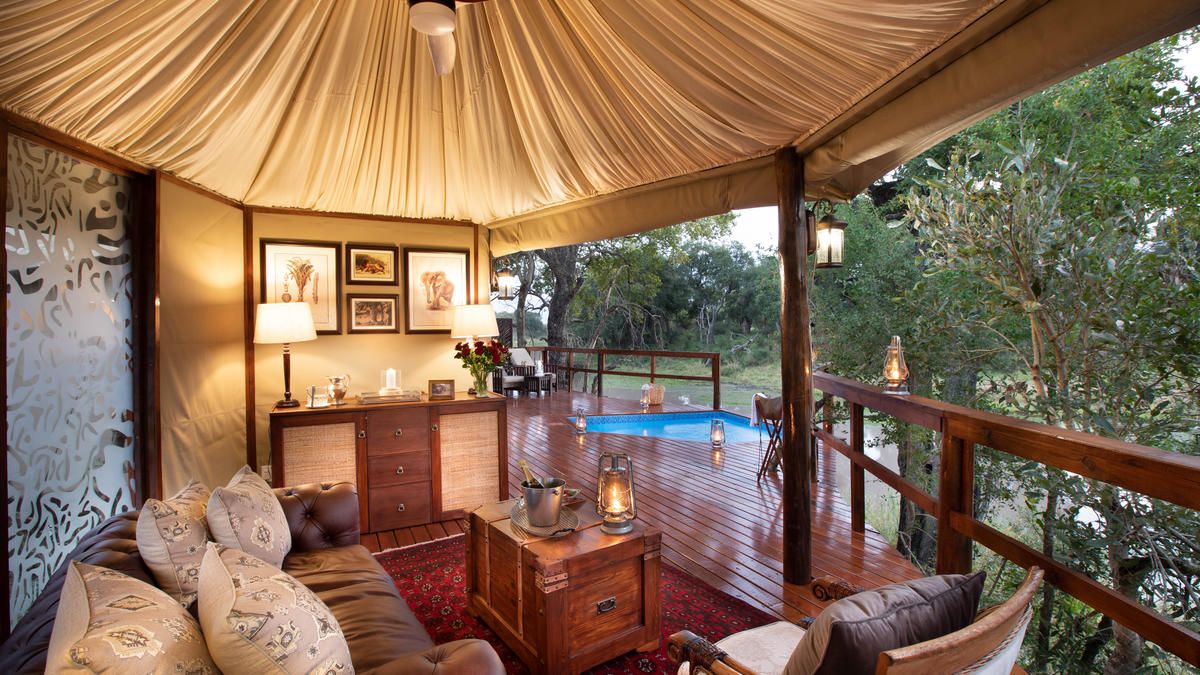 South Africa
Hamiltons Tented Safari Camp
Luxury+ tour · Private tour · Can start any day
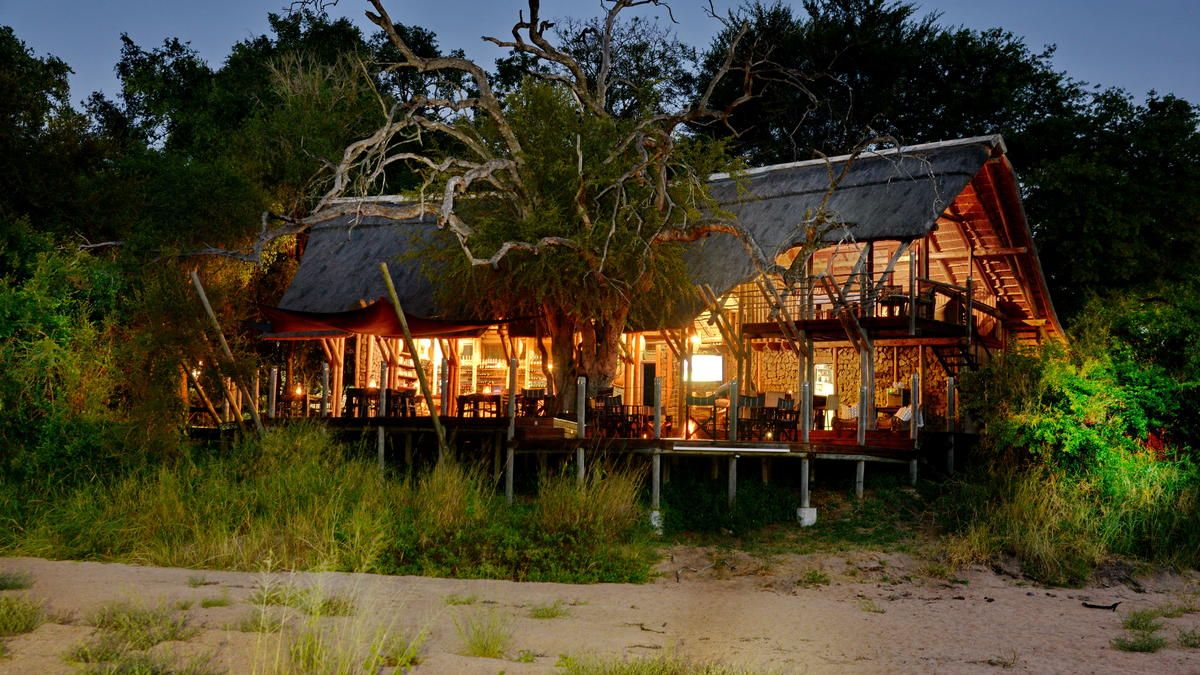 South Africa
Rhino Post Safari Lodge
Luxury tour · Shared tour · Can start any day
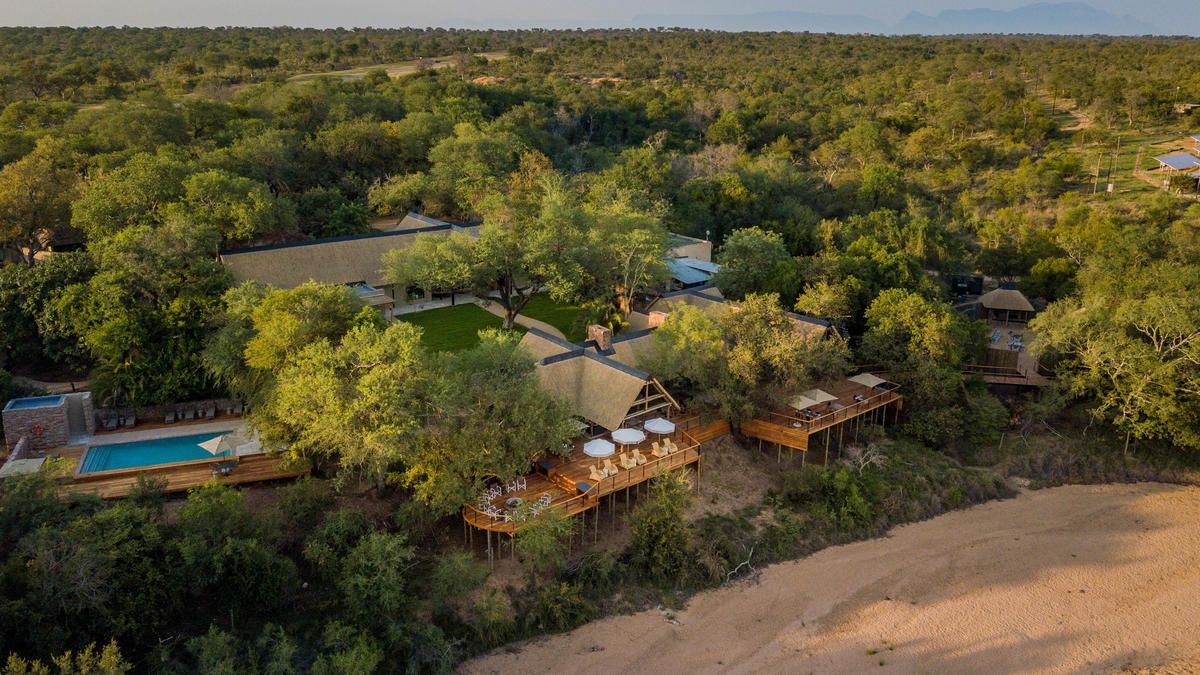 South Africa
Thornybush Game Lodge · Saseka Tented Camp
Luxury tour · Private tour · Can start any day
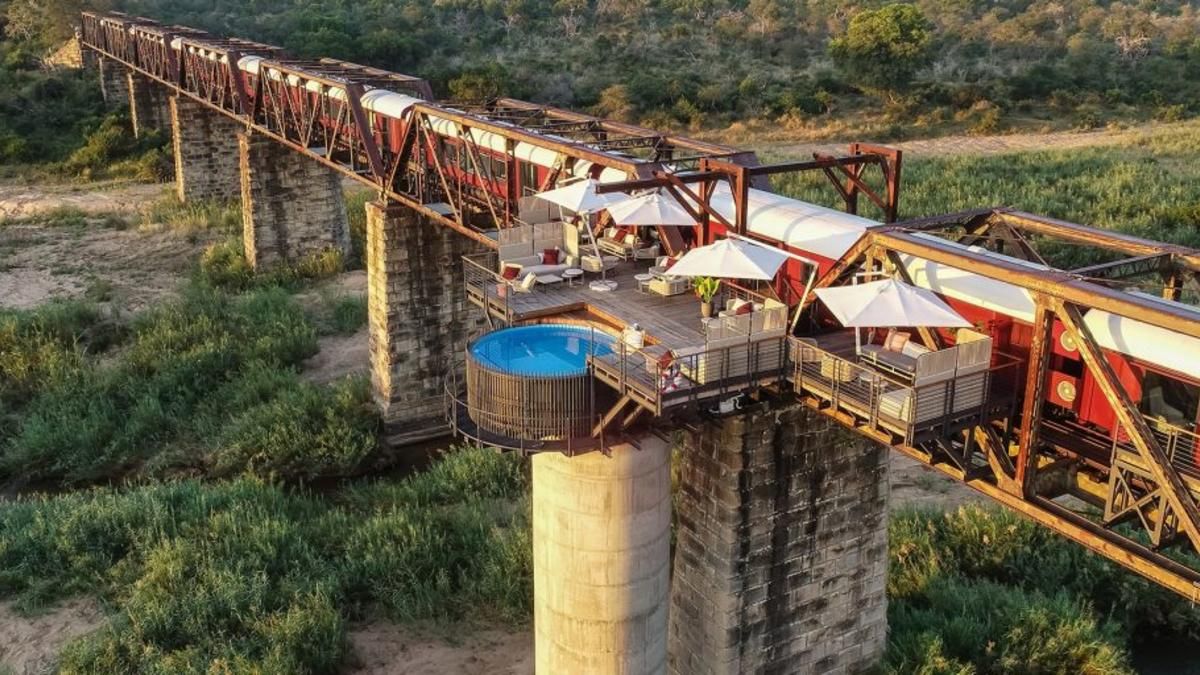 South Africa
Kruger Shalati
Luxury tour · Shared tour · Can start any day
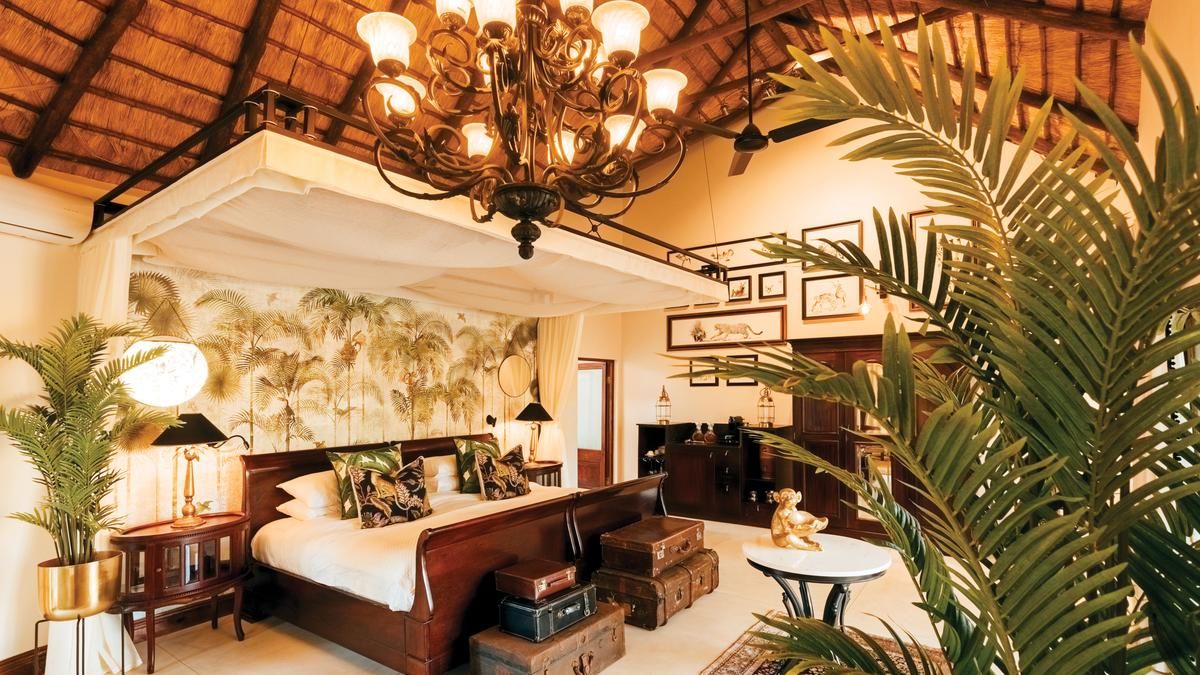 South Africa
Kings Camp · Leopard Hills Private Game Lodge
Luxury+ tour · Private tour · Can start any day
South Africa
Thornybush Game Lodge
Luxury tour · Shared tour · Can start any day
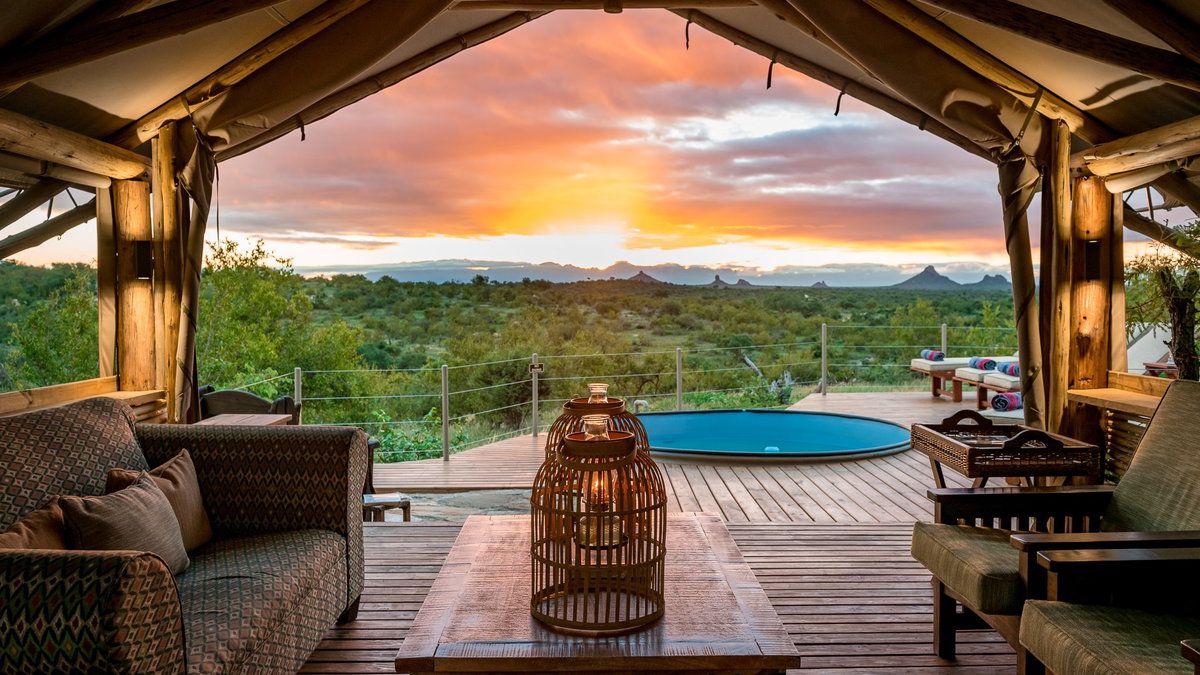 South Africa
Bundox Explorer Camp
Luxury tour · Shared tour · Can start any day
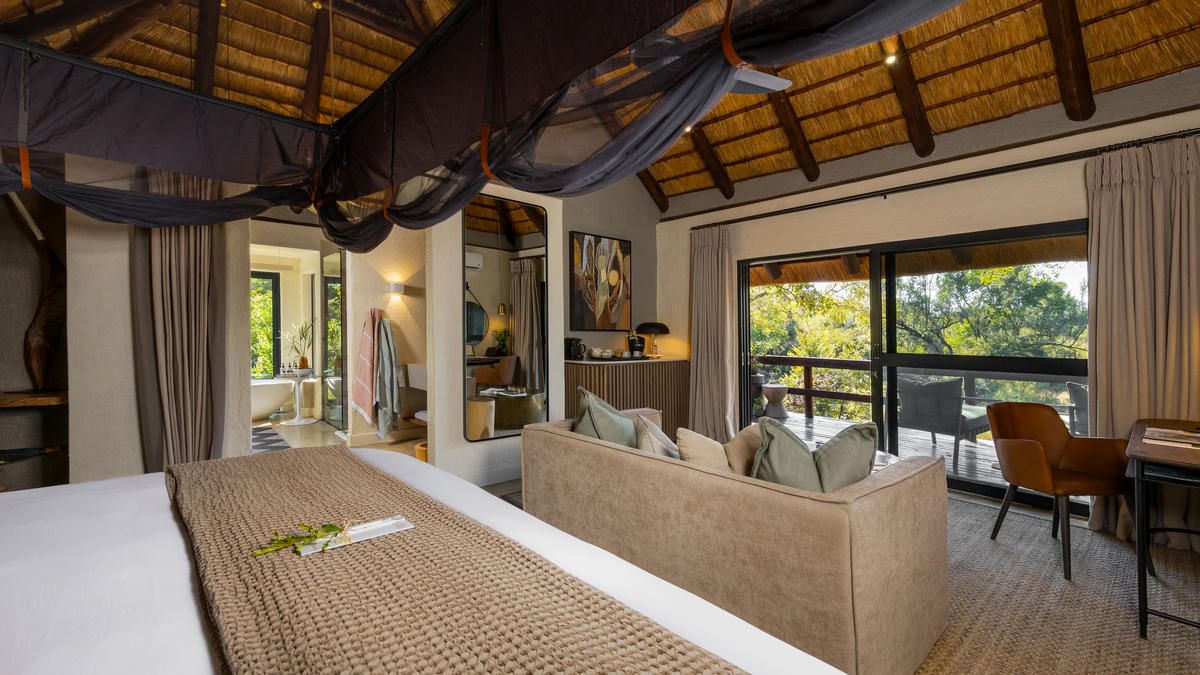 South Africa
Sabi Sabi Little Bush Camp
Luxury+ tour · Private tour · Can start any day
South Africa
Kruger Shalati
Luxury tour · Shared tour · Can start any day
None of these exact?
Tell us your dates, party and the one thing the journey must deliver.
Prices are a guide and will be confirmed for your dates and party before booking.
Budget
Prices depend on your dates, accommodation, room arrangement and inclusions. Use the individual journey prices as a guide, then ask for a quote for your party.
Every band excludes international flights. Internal flights, conservation levies, premium wines and private vehicles differ by property and are confirmed in writing before you commit.
Cape Town extensions
We can compare a Cape Town and Winelands stay before or after your safari, with connections and nights planned around your travel dates.
Packing
Ask your lodge for a packing list for your travel dates, including layers for early-morning game drives.
Inclusions
Inclusions vary by journey. Check the accommodation, meals, activities, flights and transfers listed for your chosen trip. Your quote will confirm the full list and any additional costs.
Inclusions vary property by property. We confirm the exact list for every lodge and hotel in your itinerary in writing before you commit.
South African stays
Browse these properties, then ask us to check the options for your dates and budget.
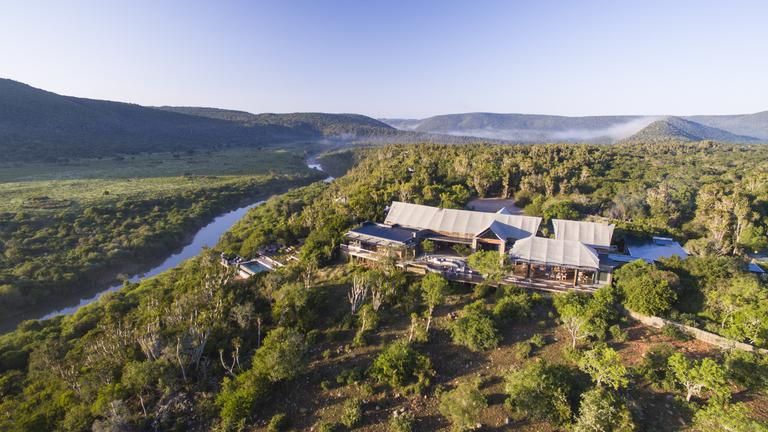
Top experiences include Big 5 Safari & Family Holidays at Sabi Sand Nature Reserve.
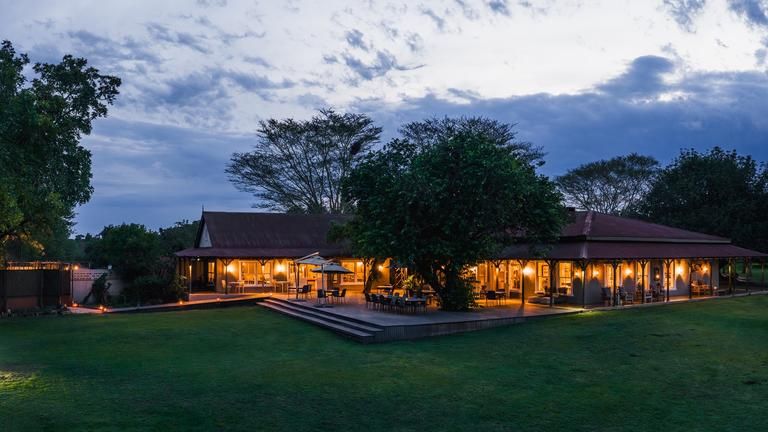
Top experiences include Big 5 Safari, Family Holidays & Romance & Couples at Sabi Sand Nature Reserve.
Top experiences include Big 5 Safari, Family Holidays & Romance & Couples at Sabi Sand Nature Reserve.
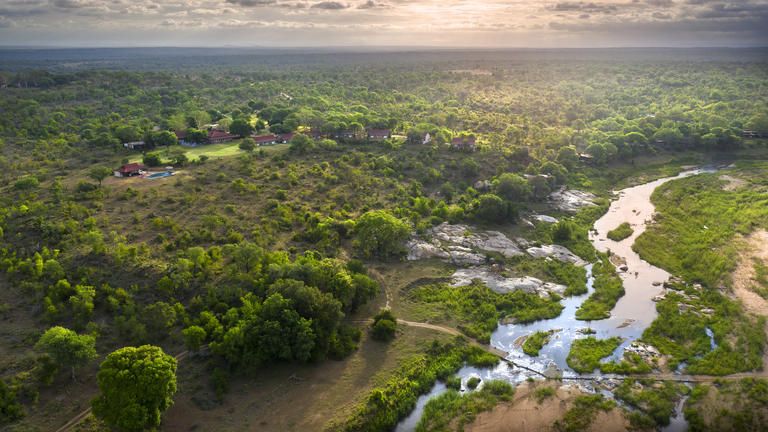
Top experiences include Adventure, Big 5 Safari & Birding at Makalali Private Game Reserve.
Top experiences include Adventure, Big 5 Safari & Birding at Kariega Private Game Reserve.
Top experiences include Adventure, Big 5 Safari & Birding at Sabi Sand Nature Reserve.
Before you enquire
South Africa offers a range of safari reserves and accommodation, with options to add Cape Town. We’ll discuss the transport, stays and travel requirements for your first trip.
Use the guide prices on individual journeys as a starting point. We’ll confirm the current rate for your dates, room arrangement and included services.
Get current advice from a travel-health professional for your destinations and dates. We can discuss alternative reserves based on that advice.
The journeys show their actual days and nights. Tell us how much time you have, including any Cape Town stay, and we’ll discuss the route.
Compare dated rates for the lodges you are considering. Seasonal differences vary, and festive periods or offers can change the comparison.
We can discuss adding Victoria Falls and check the connections, availability and cost.
Keep reading
South Africa safari planning
Share your dates, budget and who is travelling. A specialist will reply to discuss the options.
Plan your safari