
Safari planning guide
Family safari planning: ages, rooms and pace
Check the lodge’s child policy, bedroom layout and activities before choosing a family safari. These details affect where you can stay and how the trip will work.
Confirm the lodge and activity age policies for each child’s age when you travel.
Check the bedroom layout, connecting doors, bathrooms and any extra beds.
Compare transfer times, game-drive arrangements and time at the lodge with your family’s preferred pace.
Curated stay examples
Family accommodation to discuss

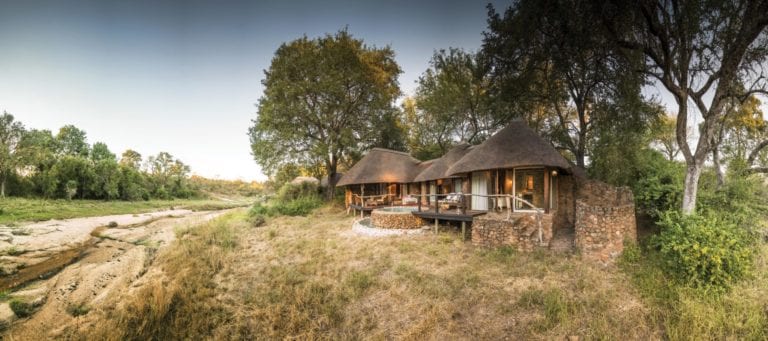
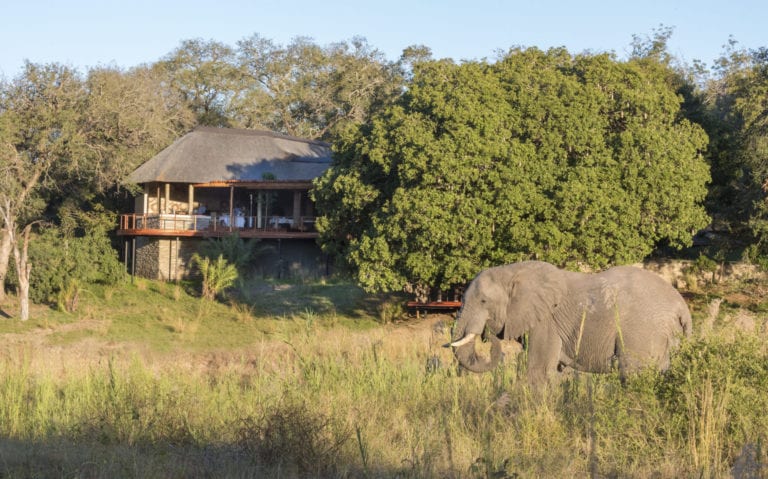
Lodge and activity age policies
Policies vary by lodge and activity. The age groups below are prompts for questions, not confirmation that a child can join an activity.
| Children's ages | What to confirm | What to ask for |
|---|---|---|
| Under 6 | Whether the lodge accepts the child’s age and which activities are permitted | Private-vehicle options, childcare, charges and any remaining restrictions |
| 6 – 11 | The minimum ages for drives, walks and other activities at each stay | Children's programmes, child-minding during drives, and flexible mealtimes |
| 12 and up | Activity age limits still apply and must be checked | Room-sharing options and the activities each teenager wants to join |
Family rooms and villa costs
A family room may have separate bedrooms, connecting rooms or extra beds in one room. Ask for the layout, guest limits and sleeping arrangements.
Compare a villa quote with the lodge rooms your family needs. Check the included staff, vehicle, meals and activities rather than assuming the villa costs less.
Travel time and daily activities
Discuss drive lengths, transfer times, meal arrangements and time at the lodge. Changes to activity schedules depend on the lodge, guide and vehicle arrangements.
Next steps
Related safari planning pages
FAQs
Questions travellers ask before enquiring
How far ahead should a family safari be booked?
Start early if you need school-holiday dates or a particular room setup. We can check the availability of the lodges you are considering.
What is the best age to take children on safari?
There is no single age that suits every safari. Confirm lodge acceptance, activity rules and travel-health advice for your children before choosing a route.
Do children pay full rates?
Child rates, room-sharing rules and villa charges vary. Ask for a quote using each child’s age when travelling.
Are 3 nights enough?
A 3-night stay may suit your trip, but check the arrival time, departure time and included activities. Longer stays or extensions can be discussed separately.

Tailored safari planning
Turn this shortlist into a safari plan
Send dates, traveller count, preferred regions, and stay style. Africa Luxury Escapes can confirm availability, rates, and the best-fit route.
Plan your safari